
Video is arguably the backbone of digital marketing. And if you’re going to invest your time and resources into video marketing, you may as well make the most of every video you produce and publish, right?
Let’s explore how to create organic, high-impact video content that can be easily repurposed for multiple platforms.
The Power & Potential of Organic Video Content

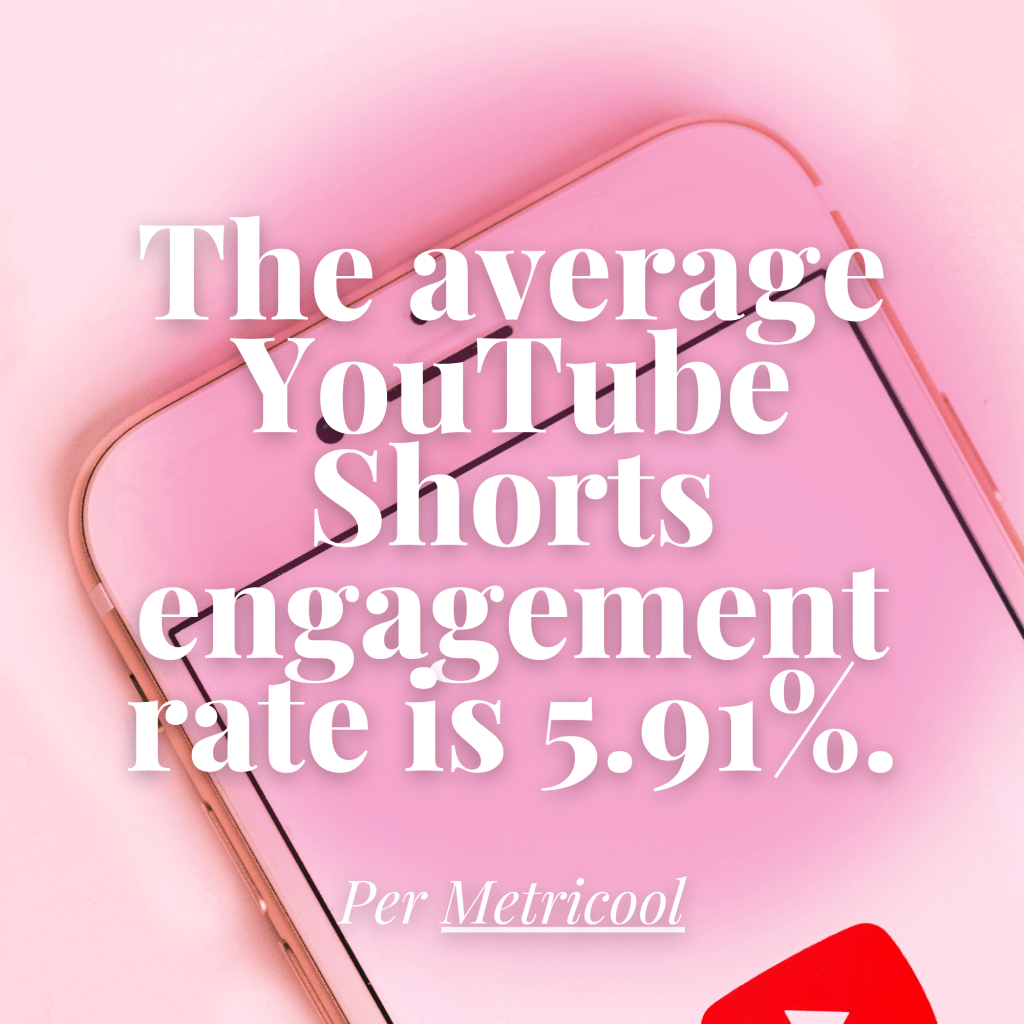


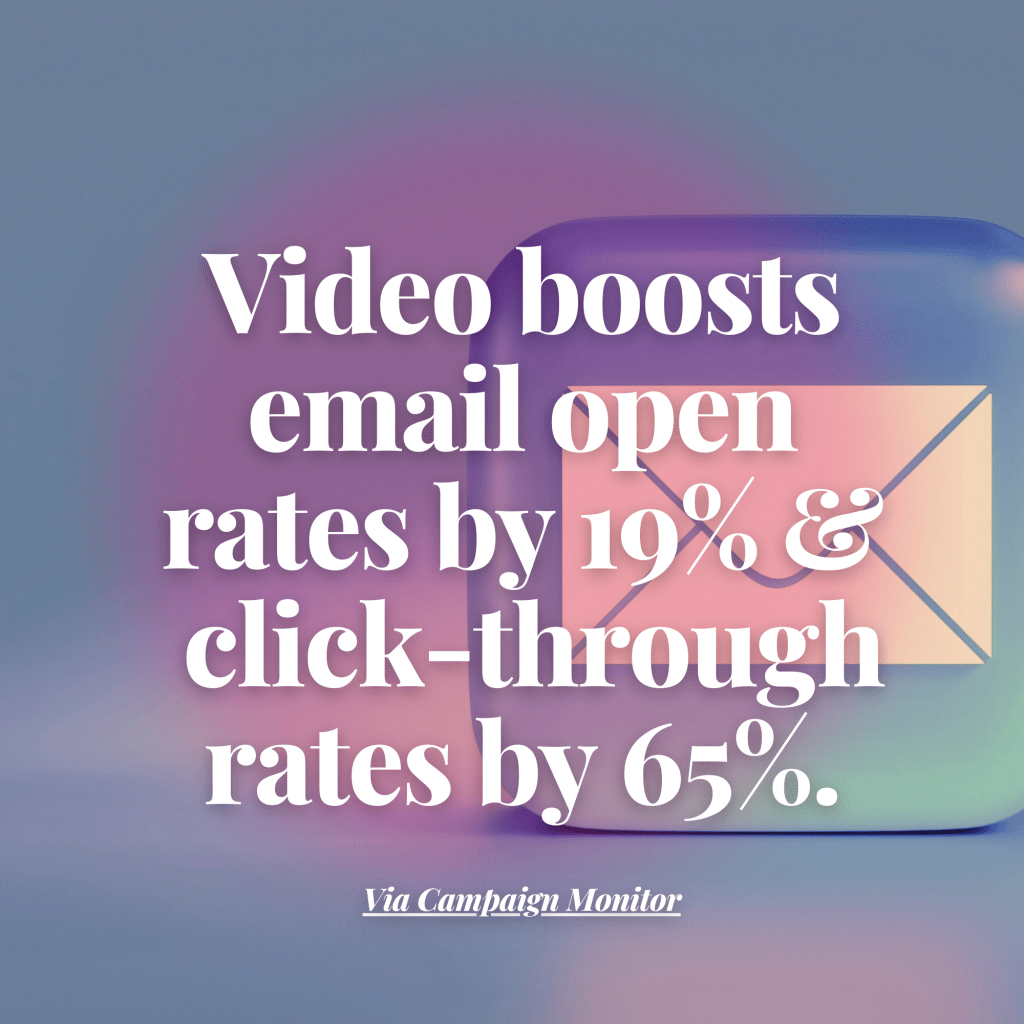
Highly polished, overly promotional videos often fail to connect with modern audiences. Why? Today’s viewers crave and seek out authenticity—content that feels real, relatable and genuinely engaging.
Crafting a Multi-Platform Video Strategy
The key to success lies in starting with a core long-form video and then breaking it down into bite-sized pieces tailored for different platforms!
First: Create a High-Value YouTube Video
YouTube is ideal for long-form content, making it the perfect place to publish in-depth tutorials, product deep dives, behind-the-scenes footage or customer stories.
- Keep branding relatively subtle (at least most of the time)—let the content provide value first.
- Optimize with keywords, strong descriptions and scroll-stopping thumbnails to improve discoverability.
- Maintain a compelling narrative to keep viewers watching longer—and hopefully coming back for more.
Then: Repurpose
Once you have your full-length YouTube video, extract key moments and get to it.
- Instagram Reels & Stories: Cut dynamic, fast-paced clips (15–60 seconds). Use text overlays, engaging captions and on-screen calls to action. Look into various Instagram features to see how you can up the ante.
- YouTube Shorts & TikTok: Pull out high-energy moments, quick tips or soundbites that grab attention instantly.
- Carousels & Static Posts: Transform key insights into quote graphics, infographics or teaser posts to get an extra punch.
5 Best Practices to Follow (Every. Single. Time)
1. Tailor Content to Platform-Specific Styles
A video that works on YouTube won’t automatically perform well on Instagram or TikTok. (In fact, it can flourish on one and flounder on another.)
But you can increase your odds by implementing best practices. One related note: stay up to date on specs.
- Vertical videos for Reels, Stories and TikTok.
- Horizontal videos for YouTube.
- Fast cuts and trending sounds for short-form content.
Make it a habit to do your due diligence to sidestep potential problems, such as accidentally using copyrighted materials or unintentionally aligning with controversial trends.
2. Add Captions and On-Screen Text
Most people watch videos without sound, especially on mobile. Use auto-captioning tools or manually add subtitles to boost accessibility and engagement.
If you opt for the auto-captioning route, check and correct mistakes manually as soon as possible.
3. Think about Thumbnails and Titles
Your thumbnail and title are what compel users to venture over to your video. Make sure they stand out in the best way possible while encouraging interest.
4. Encourage Interaction, The “Right” Way
Choose calls to action that feel natural and on-brand. Think about your overall messaging strategy. Are you playful and upbeat? Decidedly crisp and professional? Then come up with an innovative CTA that reflects this!
5. Maintain Consistency
Establish a content calendar to keep videos flowing on a regular basis. Remember that there will be ebbs and flows, but abandoning your efforts outright will lead to surefire failure.
Test different video formats to see what gets the best response. You should also consider leveraging high-performing content for paid media to maximize reach.
▲▲▲
 bree steinbronn