
You can have the flashiest, most fabulous ads, the smartest SEO strategy and the best content in your industry, but a terrible customer experience will almost certainly send potential buyers straight to your competitors.



The Experience-Marketing Disconnect
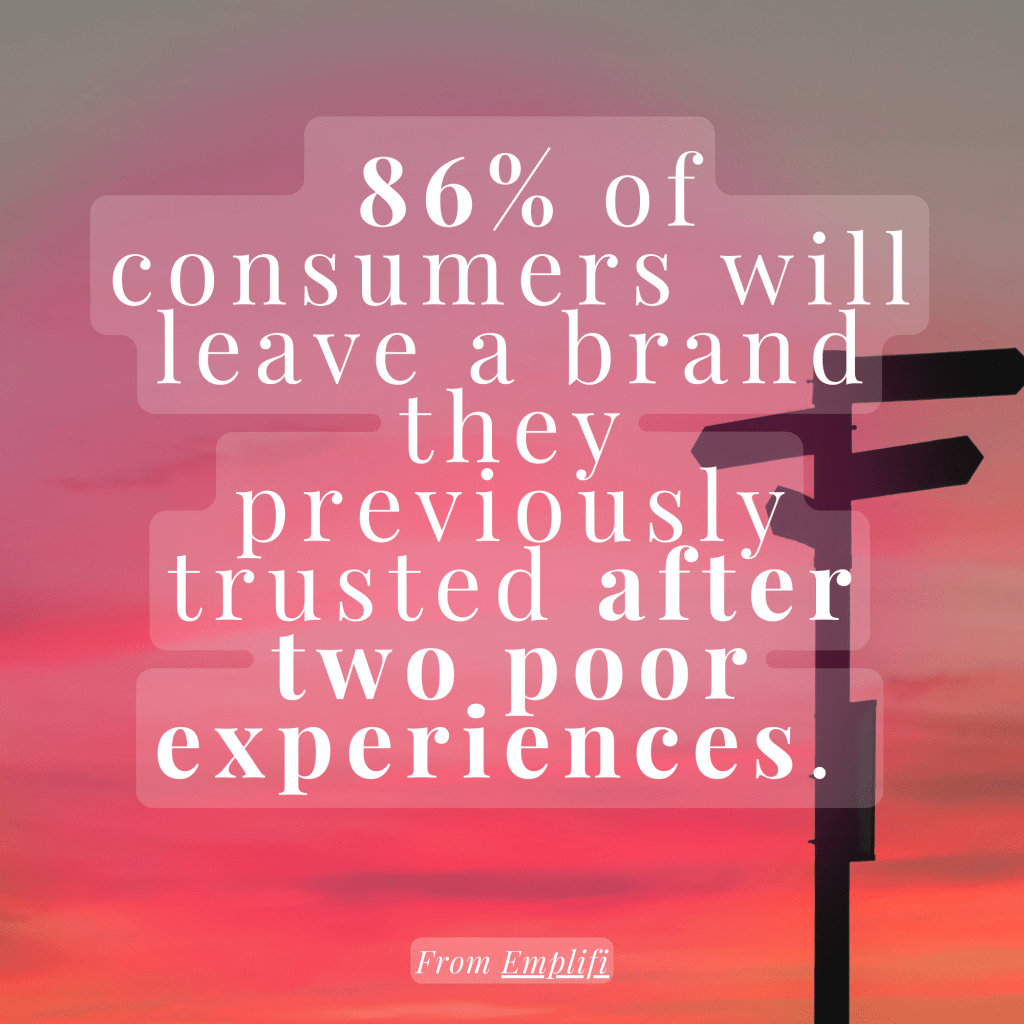
Brands pour resources into attracting customers but often lose them over simple, preventable friction points.
Checkout Glitches & Payment Failures: If completing a purchase is frustrating due to slow loading, errors or limited payment options, customers will walk away.
Forced & Buggy Account Creation: Requiring an account just to browse or make a purchase? Fine. But if the sign-up process is clunky, crashes or takes too many steps, users will drop off. Plus, it makes your brand feel difficult to engage with.
Unresponsive or Hard-to-Find Customer Support: If a customer has an issue but can’t reach anyone quickly—especially on social media or live chat—you’ve likely already lost their attention and business.
Inconsistent Experience Across Devices: A site that looks great on desktop but is virtually unreadable on mobile? A checkout page that works on iOS but breaks on Android? These inconsistencies create headaches while signaling unreliability—which customers will remember when making their next purchase.
Subpar Navigation & Search: If customers can’t easily locate what they’re looking for, they’ll assume it’s not there. Confusing menus, broken search functions or buried information lead to lost conversions and send a message to customers that their time isn’t valued, turning a UX problem into a CX issue.
The Hidden Cost of Poor UX & CX
Customer acquisition is expensive. Losing those hard-earned customers over fixable issues is even worse. One frustrating moment can overshadow all your brand’s strengths, eroding the brand trust you’ve worked so hard to build.
Slow load times, confusing navigation and hard-to-reach support frustrate users, making them question their decision to engage with your brand.
Negative experiences spread fast. Bad reviews, social media callouts and word-of-mouth complaints can do more damage than any marketing campaign can repair.
Create a Competitive Advantage
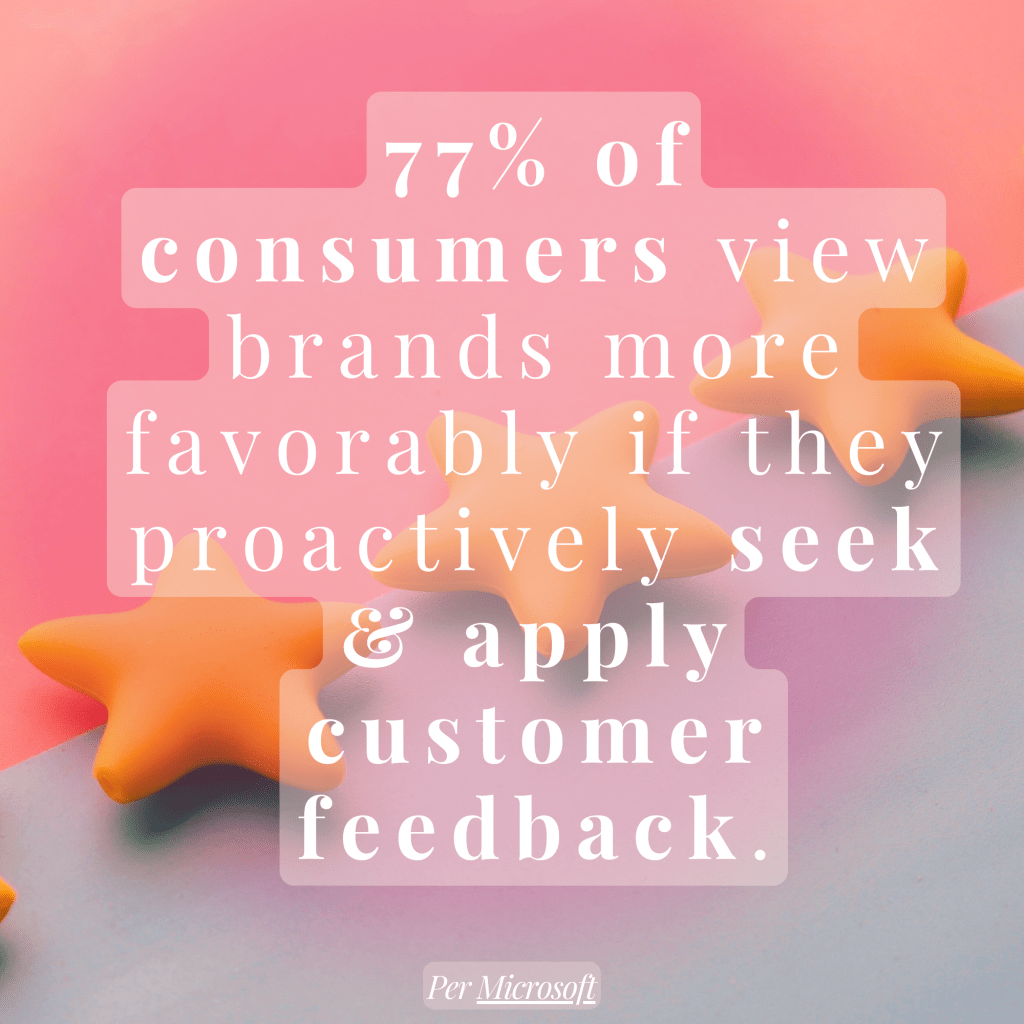
A smooth digital journey, responsive support and an easy checkout process build trust and loyalty in ways that marketing alone can’t.
Let’s talk about where you can go from here.
Step 1: Conduct a UX + CX Audit
Where are users dropping off due to poor design (UX)? Where are customers frustrated due to policy, service, or process gaps (CX)?
You need both answers to fix the experience holistically.
● For UX, look to heatmaps, usability testing and session recordings.
● For CX, utilize surveys, customer support logs and NPS scores.
Step 2: Streamline Digital Experiences
Ensure that your website, apps and service channels provide a seamless, user-friendly experience.
Monitor third-party integrations—whether it’s payment processors, chatbot AI or social logins—since platform updates outside your control can still impact your customers’ experiences.
Step 3: Align Marketing With Reality
If your ads or email campaigns promise fast shipping or 24/7 support, make sure you can actually provide it.
Failing to do this also tends to put undue pressure on the wrong departments.
The Bottom Line
Marketing brings people in, but customer experience keeps them there.
If you’re spending on growth but ignoring friction points, you’re sabotaging your success in a major way.
 bree steinbronn