
AI can save time, scale production and streamline processes.
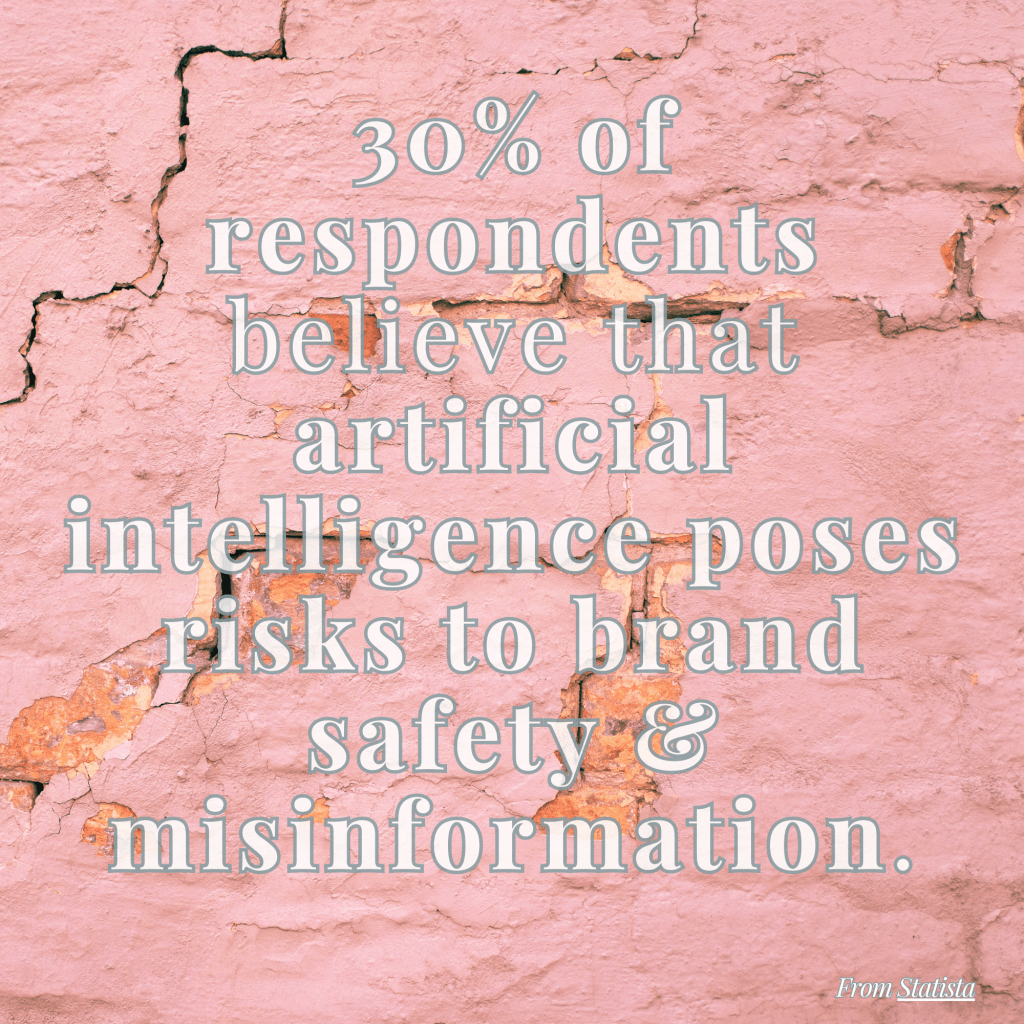
But when left unchecked, even the most convenient and well-regarded AI tools can start to chip away at brand trust in subtle, damaging ways. And you might have no clue.

7 Silent AI Slip-Ups That Can Hurt Your Brand
If you rely heavily on AI to run your day-to-day operations, here are seven real-world missteps to watch out for—and easy ways to fix them.
1. AI-Powered Product Descriptions That Don’t Match Reality
AI-generated descriptions may be fast and SEO-friendly, but they can be less wow-worthy in terms of accuracy. Whether it’s an incorrect size chart, a missing spec or a tone that doesn’t quite fit the product, small errors lead to big consequences.
Why it matters: Shoppers rely on product pages to make confident buying decisions. Mismatched details result in confusion, returns and bad reviews—all of which signal to customers that your brand might be bad news.
Quick fix: Use AI to generate a draft, then pass it through a human review with a checklist. Confirm feature sets, sizing, compatibility and any product-specific language.
2. Chatbots That Don’t Sound Like You
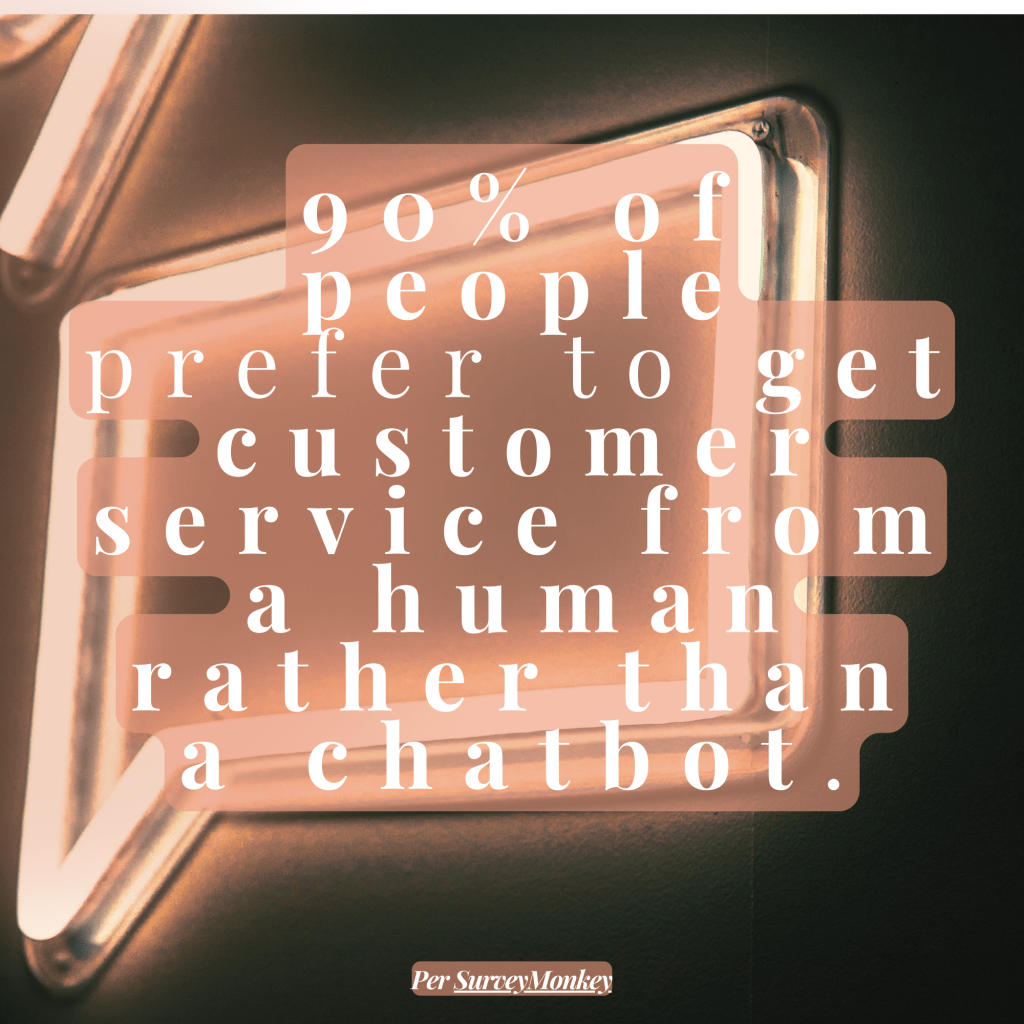
Your chatbot might be quick to answer, but is it speaking in a way that feels aligned with your brand? Too often, AI assistants overpromise, underdeliver or sound painfully generic.
Why it matters: A chatbot is often someone’s first direct interaction with your brand. (Plus, that customer is probably seeking information or help from the get-go.) If the chatbot experience feels robotic, unhelpful or worse—dismissive—you may lose trust faster than you gained it.
Quick fix: Feed your chatbot a tone guide and brand voice document. Run test conversations internally at least once a quarter and set clear boundaries for when to escalate to a human.
3. Majorly Misfiring Recommendations
AI tools that recommend blog posts, products or articles can be helpful—until they aren’t. Too many suggestions are based on outdated content, broken links or fuzzy, brow-furrowing logic.
Why it matters: Customers expect smart UX. Anything less starts to feel like digital filler.
Quick fix: Filter recommendations to content published within the last 12–18 months. Use click-through and bounce rate data to deprioritize low performers automatically!
4. Social Captions That Fall Flat
When AI churns out big batches of captions, you can end up with repetitive, context-less content. Yikes.
Why it matters: Your audience craves authenticity. Bland, blah captions kill engagement and make your feed feel like an auto-scheduled afterthought.
Quick fix: Let AI create the first draft, but build a banned phrase list and punch up key posts by hand. Tweaking captions can help restore personality and brand “sparkle.”
5. TOO Personal Email Personalization
Sure, dynamic personalization sounds cool—but there are limits.
Recommending a product based on a one-time click from months ago? Using someone’s name too often? It’s a fast track to unsubscribe city.
Why it matters: Poor personalization can come off as invasive or lazy. Customers start wondering how you got their data…and why you’re using it so haphazardly.
Quick fix: Limit personalization to recent behavior (30–60 days). Build segments based on interest categories instead of single interactions. And remember to take a step back and think about how a move will be perceived.
6. AI That Misses the Mark on Inclusivity
AI models often reflect the biases present in their training data. If you’re not careful, your content could unintentionally exclude or misrepresent key segments of your audience.
Why it matters: Inclusive, thoughtful messaging isn’t just nice to have—it’s expected. (And, honestly, it’s important in bettering the world for all; words matter.) You definitely don’t want people associating your brand with tone-deafness or offensive views.
Quick fix: Use diverse, representative training data when possible and include intentional, inclusive language guidelines in your prompt-writing process. Examine AI output for sensitive language, assumptions or exclusionary phrasing before publishing.
7. Neglecting AI-Driven Search Optimization
Okay, admittedly one of these things is not like the other. But it’s vital to mention nonetheless.
AI-driven search is rapidly changing how customers discover and engage with brands. If your brand’s information is outdated, incomplete or inaccurate across the web, you need to fix this now.
Why it matters: AI-powered platforms like ChatGPT, Google SGE and voice assistants pull data from various online sources. Inaccuracies can lead to misinformation about your brand being presented to potential customers.
Quick fix: Ensure your website content is properly optimized for AI and search engines by regularly updating business listings, engaging on social media and monitoring third-party data sources for accuracy.
The Bottom Line: Keep the Convenience, but Layer in Intentional Oversight
The solution is likely not abandoning AI altogether; it’s using it more thoughtfully. (And with plenty of human checks, of course.)
 bree steinbronn