
Trying to build a brand that clicks with every generation in existence? Good luck.
But you can create an experience that flexes to fit different behaviors, preferences and trust factors across age groups!
Fast Facts

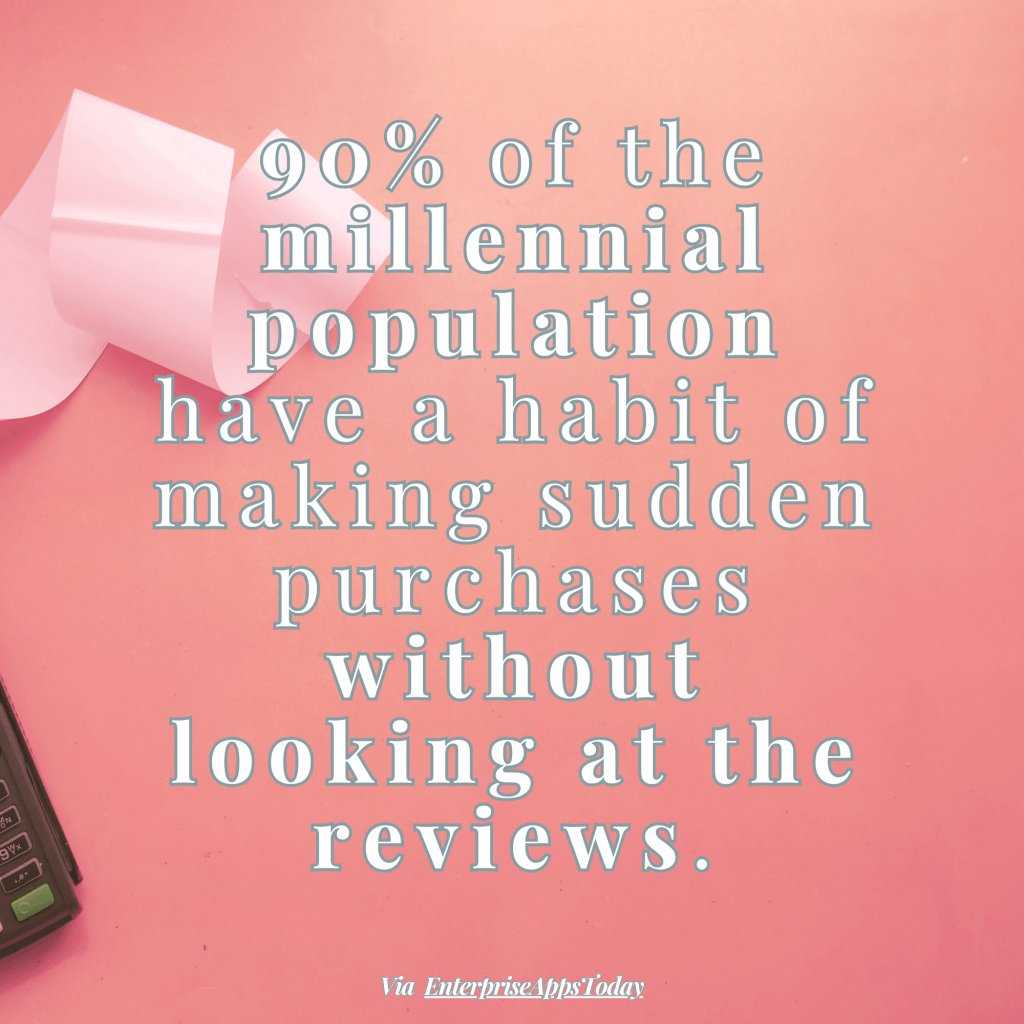

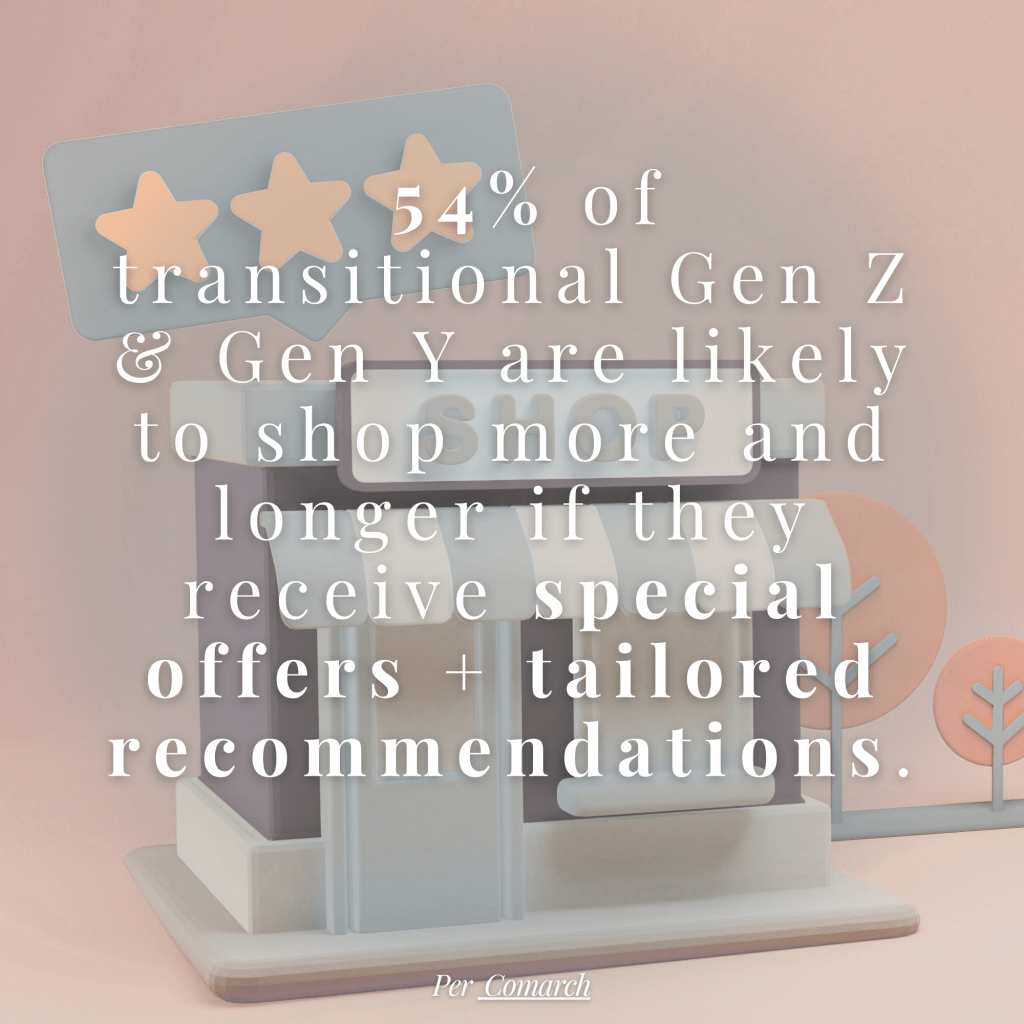
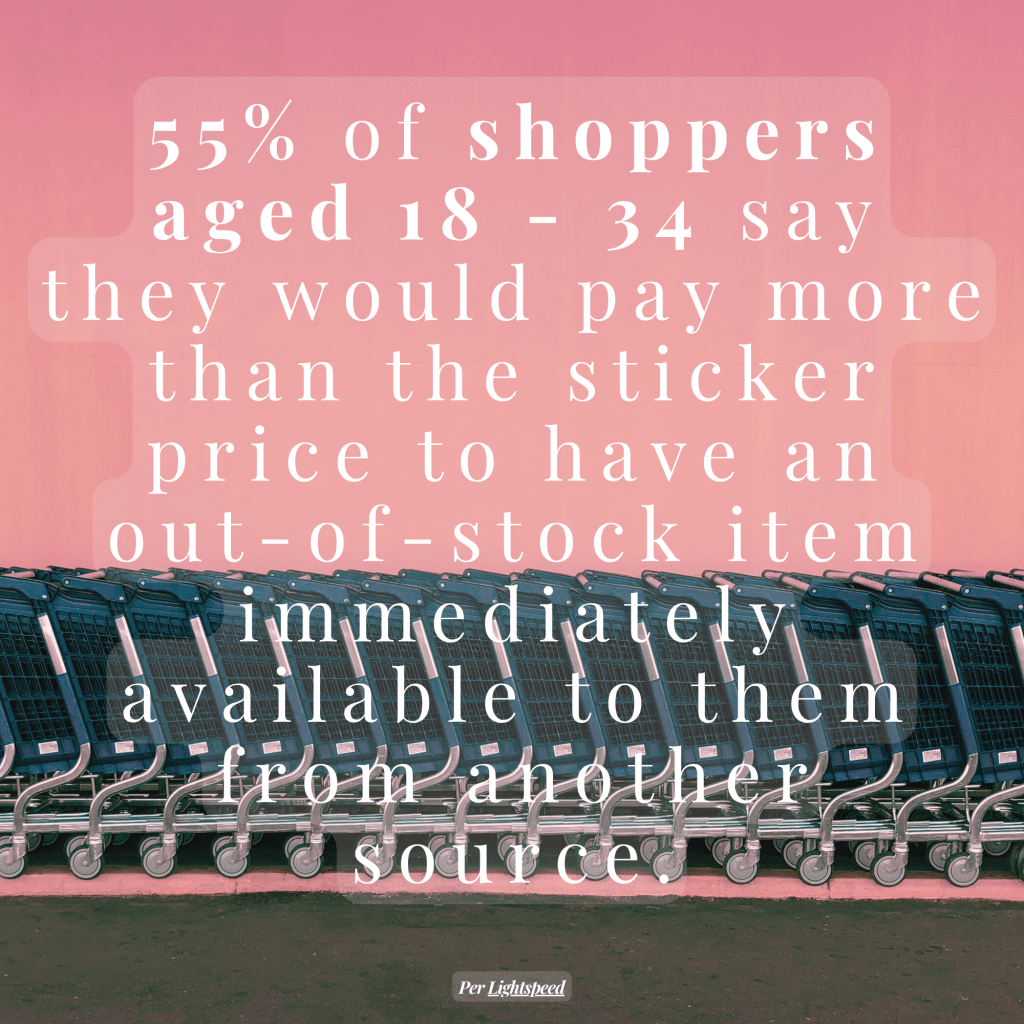
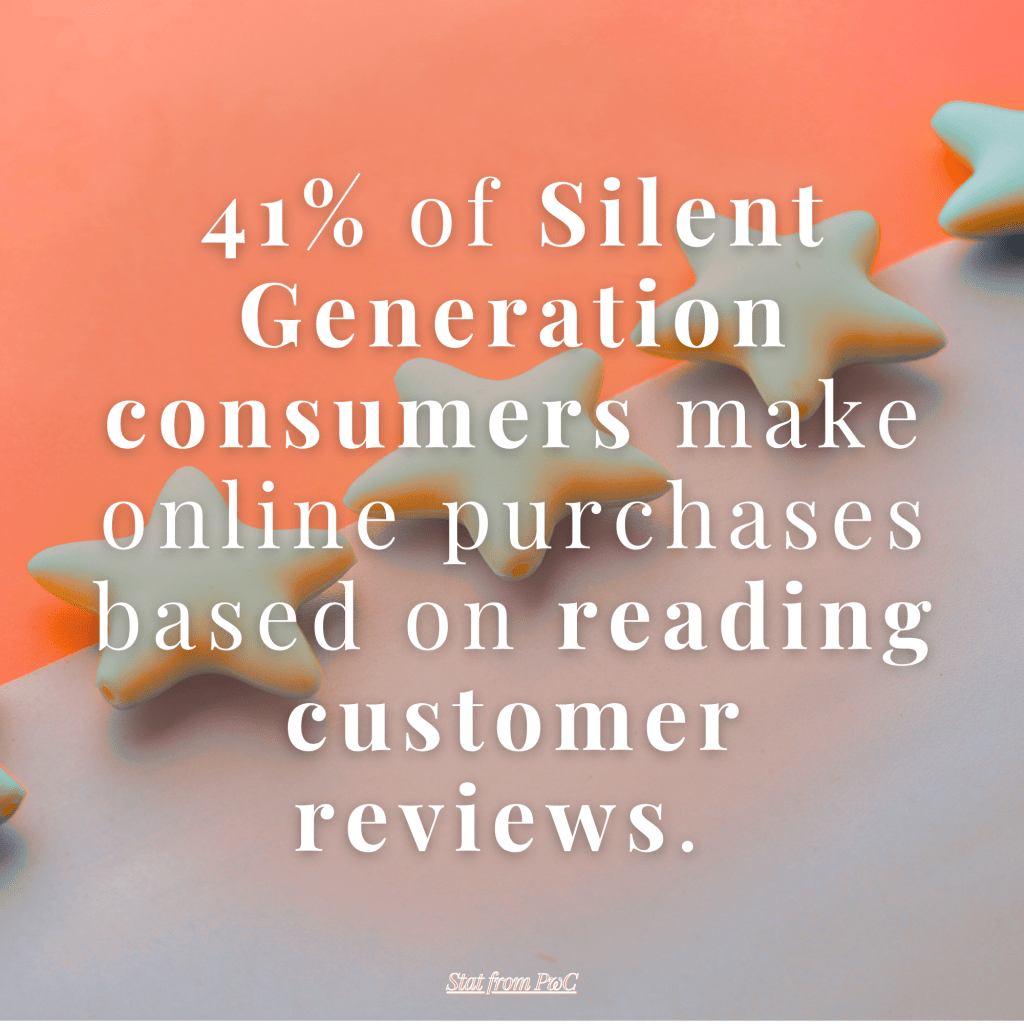
Important Caveat: Dig into your analytics to see who’s actually interacting with your brand—across channels, devices and funnel stages. Are different generations even finding or engaging with your brand in the first place? If not, then there may be no reason to make a single strategy shift!
1. Speak in Layers, Not Stereotypes
You don’t need four different websites. You do need smart, layered content.
The homepage should, generally speaking, hit your brand promise clearly and universally. But deeper pages? That’s where you can really get going.
- Provide detailed product specs for those who want to dig
- Offer short, visual explainers or video snippets for those who’d rather skim
- Use tabs, toggles or accordions to serve both without crowding the page.
Think of your site like a choose-your-own-adventure—not a one-size-fits-all monologue.
(So, yes, it might be time to refresh your site at long last!)
2. Personalize Without Pigeonholing
Sure, younger audiences tend to respond to TikTok-style visuals and older ones may appreciate formal language—but resist the urge to over-categorize as doing so can make you miss the masses.
Instead, use behavior-based personalization:
- Show different banners based on referring platform (social vs search)
- Serve return customers curated deals or bundles
- Use dynamic CTAs that adapt to where someone is in the funnel
3. Optimize for Every Device Journey
Device loyalty is arguably generational. Friction is universal.
Your brand has to look sharp and function flawlessly everywhere—from an Instagram grid to a forwarded email.
Mobile UX should feel effortless. Desktop layouts should offer clarity, not clutter. And don’t assume people will switch devices to meet you where you are—they might just switch brands.
4. Rethink Transparency Tactics
Everyone wants trust. They just define it differently.
Cover all your bases by featuring faces, not just logos. Showcase policies and support clearly—not hidden in fine print.
5. Mix Your Social Proof
UGC, reviews, influencer shout-outs—social proof is key, but not all formats work for all generations.
- Younger audiences want to see other real people using your product
- Older ones might prefer ratings, certifications or media mentions
Blend star ratings, visual testimonials and press badges to build trust across the board. And make it credible, not flashy.
6. Don’t Let Your Icons or Emojis Confuse the Message
That floppy disk icon? A mystery to some. That arguably awesome “🔥🔥🔥” emoji string? Off-putting to others.
- Avoid jargon and references that require effort (or Googling) to grasp
- Test creatives with different groups before going live
- Favor clarity and context over trendy or nostalgic cues
7. Offer Choice in Communication
Some people want text updates. Some want email. Some want to talk to an actual human.
Give options for:
- How people get updates (SMS, email, push)
- How they get support (chat, call, self-service)
- How they check out (card, PayPal, Klarna, Apple Pay)
Remember to prioritize accessibility and inclusivity every step of the way.
PSA: Don’t Forget the Edges of the Age Spectrum
It’s easy to zone in on Gen Z through Boomers, but your brand might also touch younger or older audiences—and they have unique needs, too!
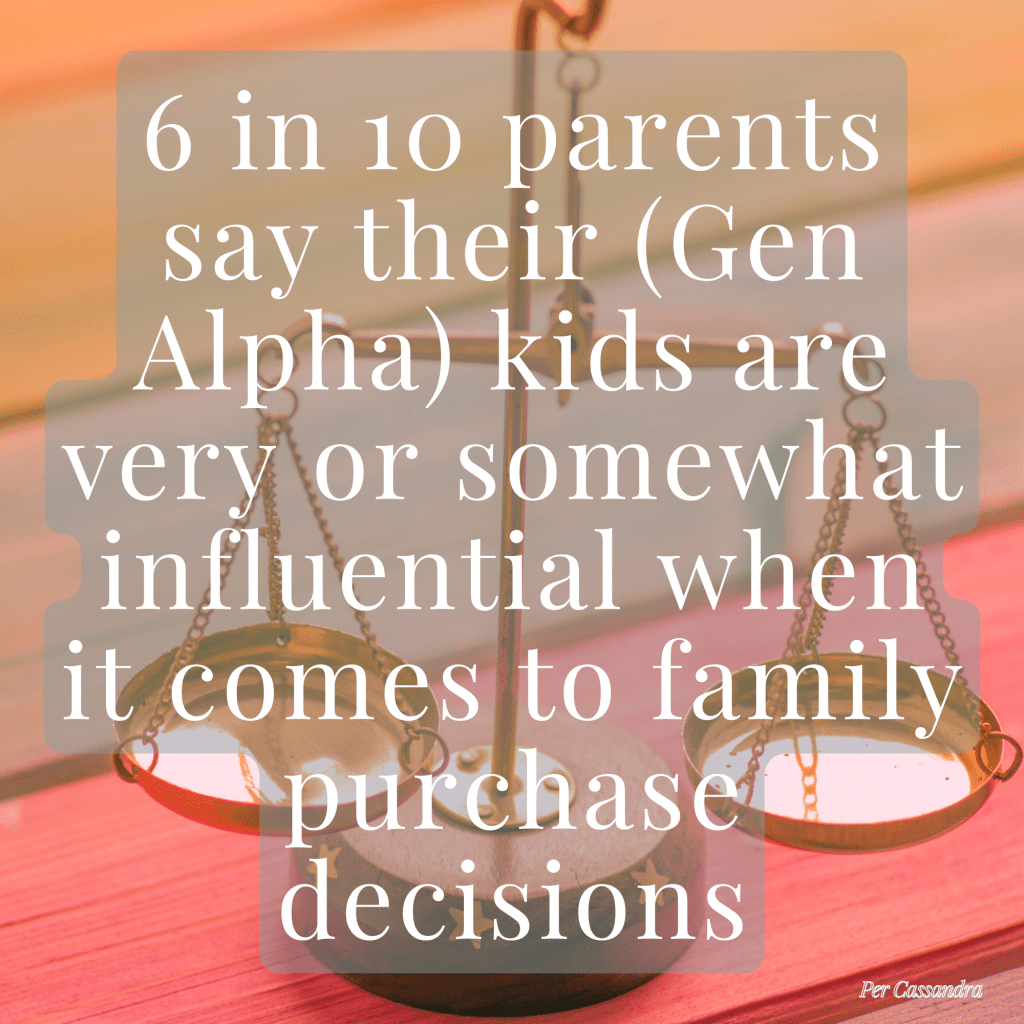
For example, Gen Alpha is already influencing family purchases, developing brand preferences early and expecting digital experiences that are intuitive, visual and interactive.
While you may be rightfully hesitant about marketing to them directly, offer transparency and reassurance for parents (privacy, safety, screen time limits).
On the other hand, the often overlooked “Silent Generation” still has spending power, especially in healthcare, financial services, luxury goods and travel.
Think about making font sizes readable and calls to action clear while ensuring your contact information is front and center—human support matters.
Test the Waters with Targeted Campaigns
Not sure if a new audience segment is worth the investment?
Before overhauling your site or messaging, try a low-commitment experiment.
- Create a short-run ad campaign tailored to one generation’s values or style
- Build a dedicated landing page with copy, visuals and offers that speak directly to them while answering every possible question to minimize clicking-around
- Track engagement, bounce rates, conversions and scroll behavior
If it flops? You’ve learned something. If it works? You now have a data-backed reason to expand your efforts.
The Big Picture Breakdown
It’s not necessary to dilute your brand personality to make it cross-generational. Focus instead on giving the right person the right message at the right time.
 bree steinbronn