
SEO used to be about clicks. Now AI is about summaries.
But Perplexity, ChatGPT, Gemini, or Claude (or any other AI assistant) may give the wrong answer about your brand if you’re not proactive.
Common Problems
- Conflicting bios: Your About page doesn’t match LinkedIn? (Or what have you!) Tone can vary, but core facts must align.
- Outdated press: Old articles about discontinued offers can mislead and frustrate.
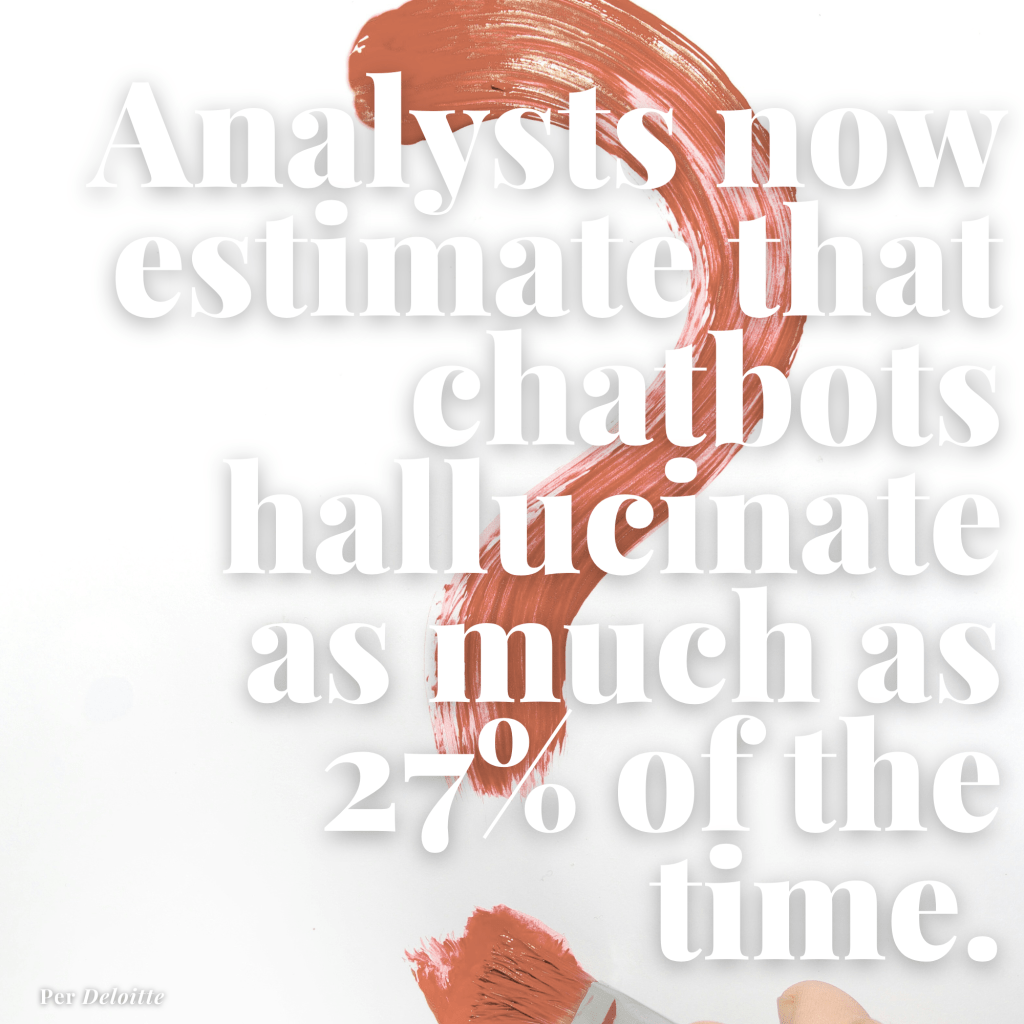
- Hallucinations: AI may invent partnerships, pricing or products if information is missing. Oof.
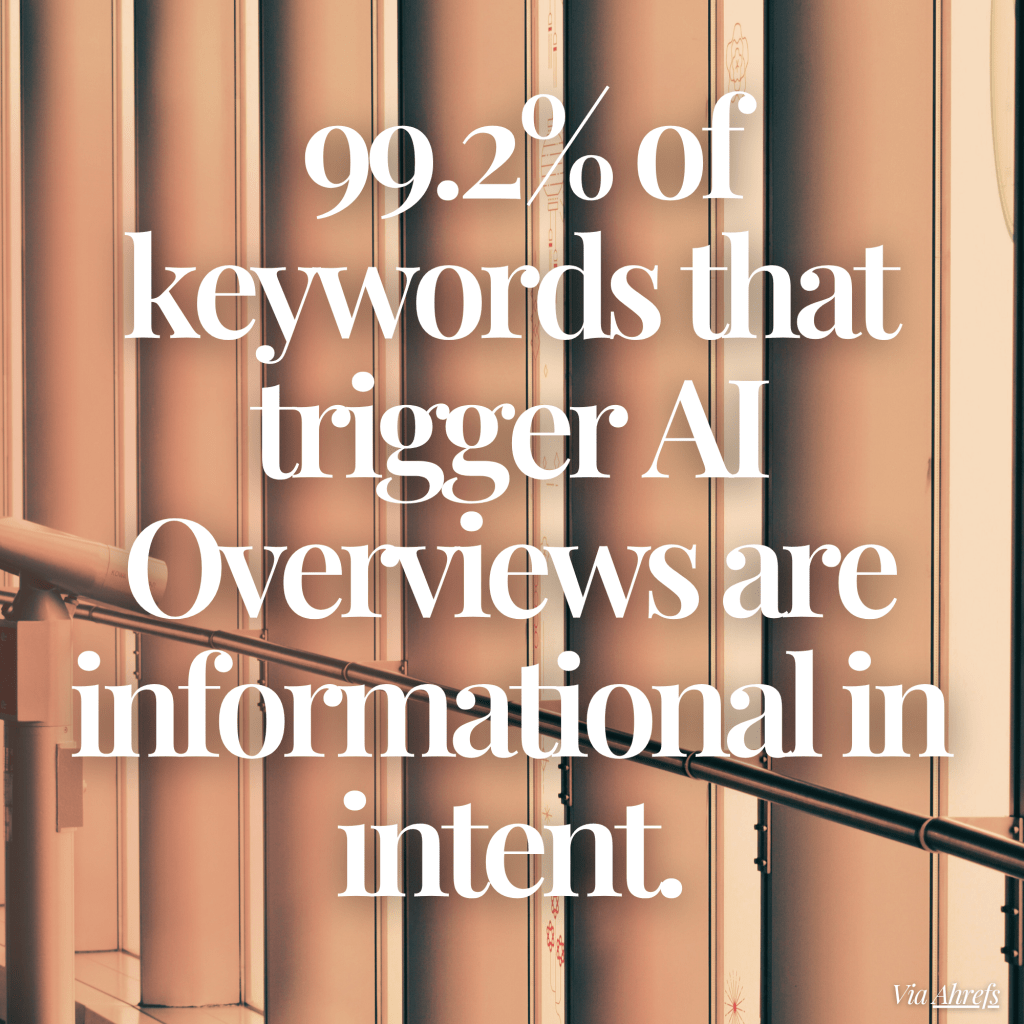
- Fewer clicks, higher stakes: When Google’s AI Overviews appear, click-through rates can drop by up to 34.5%. If it gets your story wrong, most people never click through to catch the correct version.
Fast Facts

How AI Learns About Your Brand
Okay, let’s take it back to basics. AI doesn’t just know things; most models rely on a mix of training data and, when available, live information pulled from trusted sources.
Here’s What to Do: Hand AI a “brand starter pack” across 4–5 trusted platforms.
Then: Conduct quarterly fact-check AI mentions. Correct the original source, not just your website. Log corrections made and impact on click-throughs.
How To Mold AI Search to Your Advantage
Remember: structured data, FAQs and authoritative profiles don’t magically feed every AI model in real time. But you can start building the groundwork today.
- Seed external FAQs: Post clear answers on Quora, Reddit, newsletters and Google Business FAQs.
- Use structured data: This can help search engines—and indirectly AI-driven summaries—understand your brand better.
- Boost authority: Keep Wikipedia, Crunchbase and LinkedIn updated. Pitch press articles. Think of it like link-building for AI!
- Monitor AI outputs: Regularly ask AI platforms “Who is [Brand]?” Track errors and fix them with fresh content. And don’t just ask AI to do this blindly; always include a human check.
- Compare against competitors: If their profiles are richer or more visible, that may be just the playbook you need to close the gap.
Important note—more isn’t always better. Focus on quality: nail your core profiles, keep them spotless and then expand outward carefully.
PSA: Don’t Hide What Matters Behind Images
AI doesn’t “see” pictures like we do. If your key claims, product specs, or brand narrative live only in images—like logos, infographics or hero graphics—there’s a chance many AI assistants won’t “read” them. (Though this is evolving!)
That’s why, for now, every visual needs context: use alt text, descriptive captions and supporting text nearby. Embed the same essential facts in site copy or structured data so they’re machine-readable.
3 Points to Push to the Top of Your Priority List
1: Fill the Blind Spots
- Use social media to boost accuracy by creating FAQ Highlights on Instagram, pinning clear answers on LinkedIn/X and encouraging and rewarding reviews and testimonials on all applicable social platforms.
- Leverage nurturing email campaigns to highlight product or service updates, share links to refreshed profiles, showcase glowing customer feedback, add a personal touch to communications and keep your brand message clear and consistent over time.
- Turn your site into a go-to hub of bite-sized truth. Sprinkle short, factual “Did You Know?” snippets alongside step-by-step how-to guides that clearly explain your products, services or processes.
2: Accelerate Visibility With Paid Campaigns
- Run search ads on queries AI often gets wrong.
- Promote corrective content and FAQs.
- Use retargeting to reinforce.
Why?:Paid campaigns don’t directly influence how AI models learn or summarize. But they can indirectly strengthen your brand’s authority signals by boosting visibility, engagement, backlinks and mentions across the web.
3: Collaborate Across Teams
Cliche to say or not, teamwork makes the dream work.
- Marketing crafts clear brand narratives and FAQs that feed AI consistent messaging.
- Customer Service knows frequent complaints and user questions that help build accurate content addressing real concerns.
- Product Teams provide up-to-date details about features, pricing and availability to keep AI answers current.
- Legal ensures all publicly shared policies comply with regulations and reflect the latest updates.
Again, while these aren’t guaranteed slam-dunks, they are worth weighing against your overall strategy.
The Bottom Line
AI search isn’t replacing SEO—it’s stacking on top of it. Remember?
Your brand narrative is either being shaped by you or for you. The sooner you start feeding these systems the right data, the better chance you have of showing up strong in the AI-first era of search.
 bree steinbronn