
Between push notifications, SMS offers, automated email flows and targeted ads, your audience might be hearing from you five times before lunch. That’s not nurturing—that’s noise!
What to do? Audit your full communication footprint—across all channels and automations—to find a better rhythm and keep trust intact (and annoyance levels low, honestly).
Fast Facts

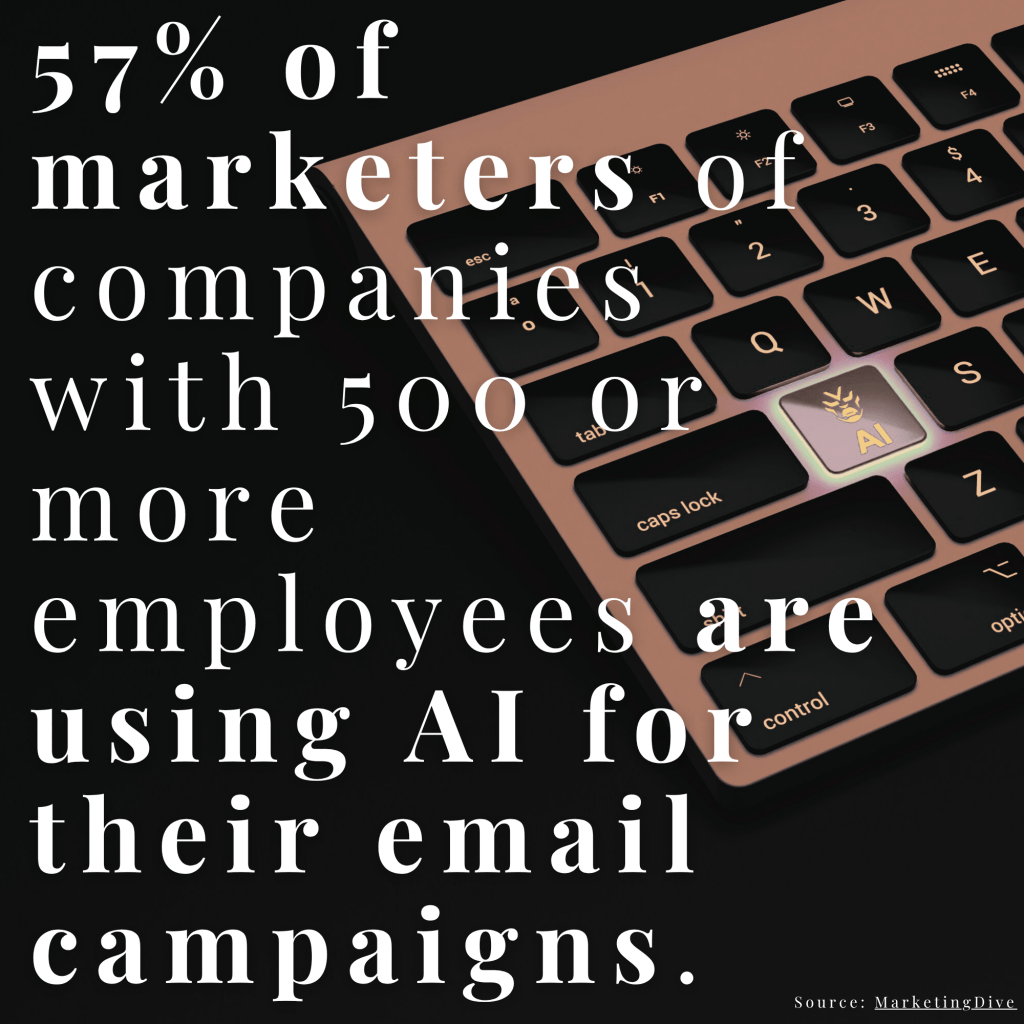
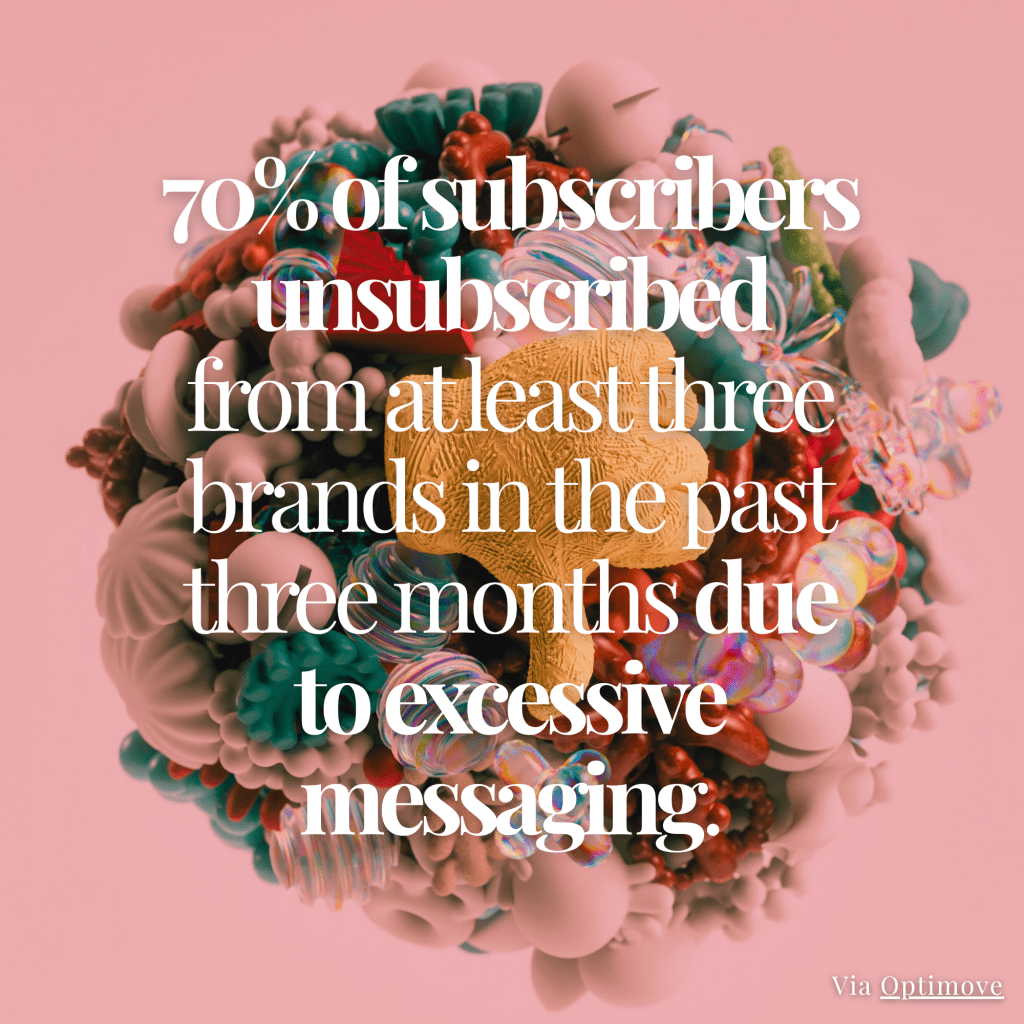

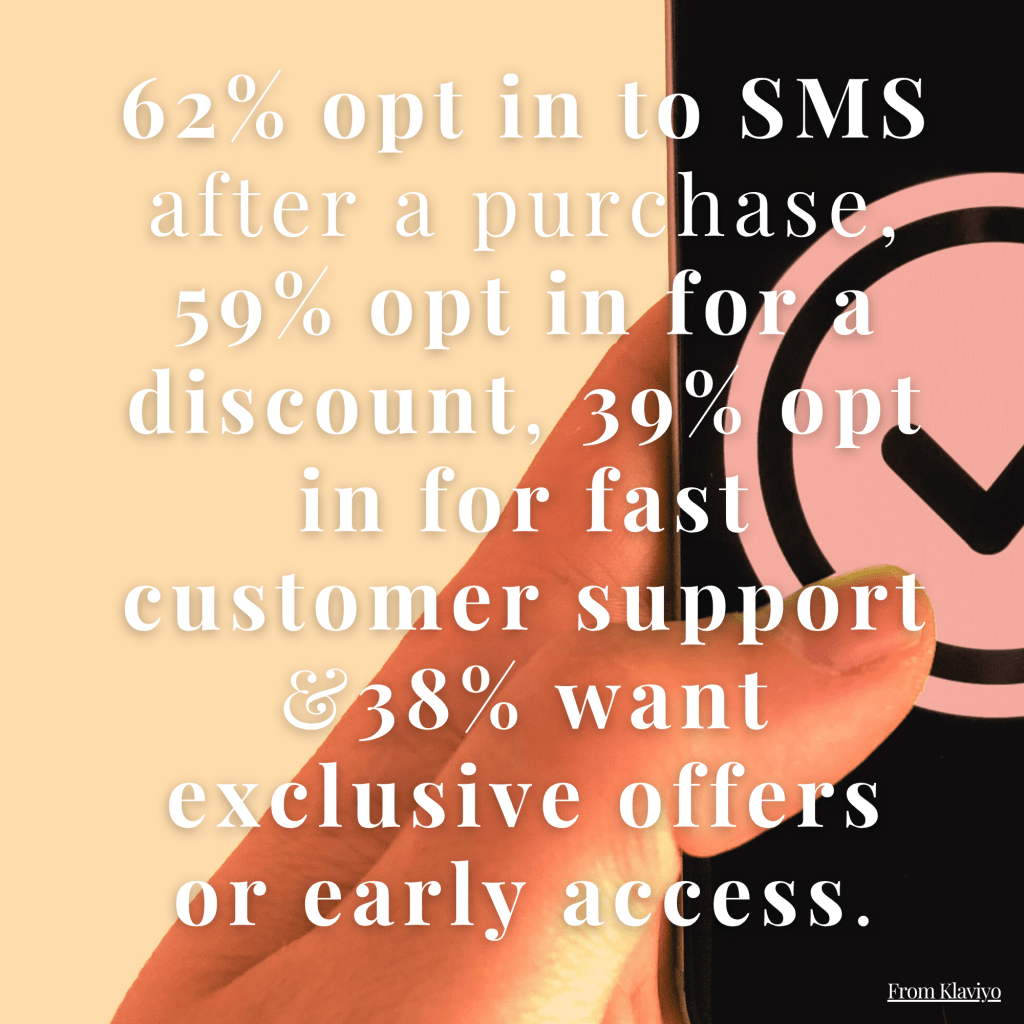
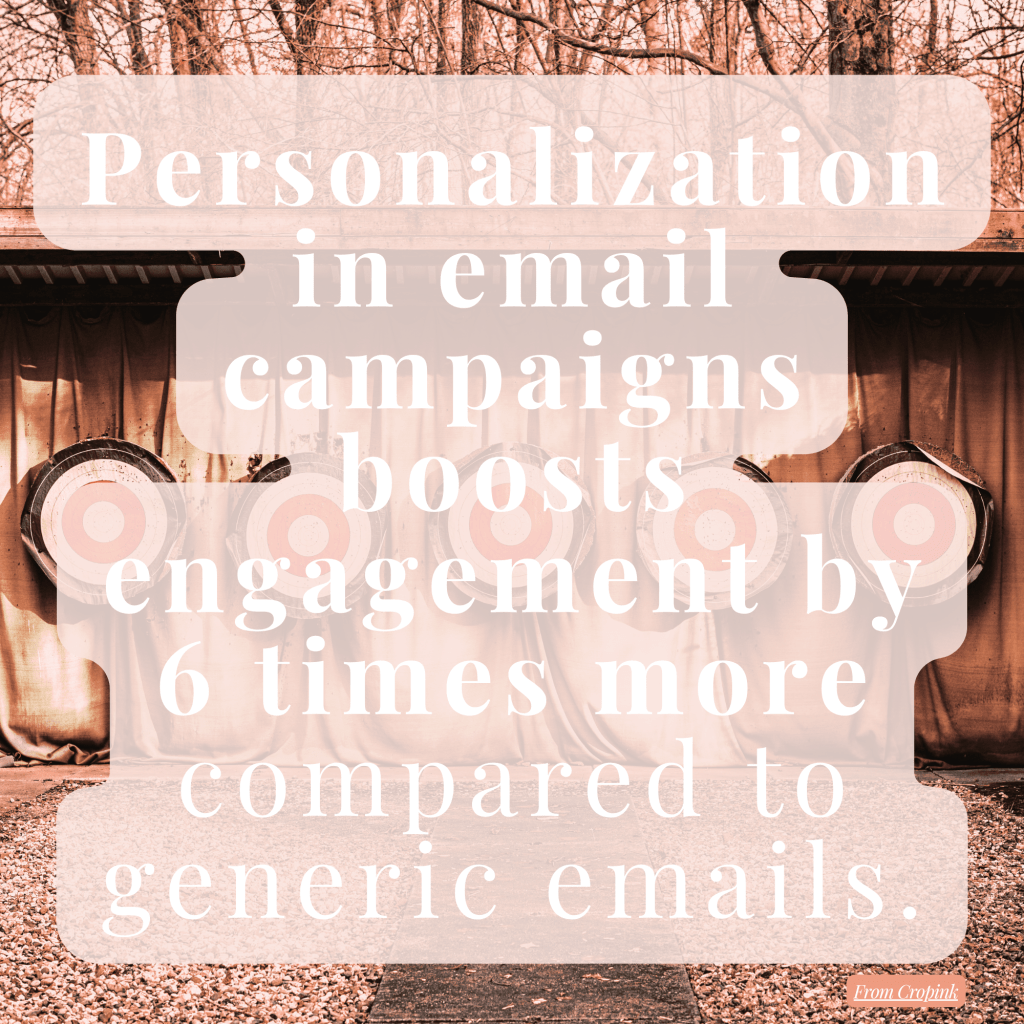
If you don’t know how often you’re showing up, that’s a problem. Here’s how to fix it.
Your 6-Step Roadmap
1. Experience Your Brand Like a Customer
Subscribe, sign up, opt in—everywhere. Let your push notifications, SMS alerts and emails roll in for a week. Click your own ads and see how the retargeting behaves. (It might just be time for an overhaul anyway!)
Then note frequency, timing and overlap.
Tip: Create a test inbox or dummy phone number so you can track messages without clutter.
2. Include Every Channel—Not Just the Obvious Ones
When you audit, include:
- Push notifications: reminders, flash sales, engagement nudges
- SMS messages: limited-time offers, reactivation nudges
- Email campaigns: nurture flows and triggered automations like cart recovery or post-purchase follow-ups
- Targeted ads: display, social, retargeting
- Organic posts and updates in community platforms
The goal is to measure the overall impact, not just each component.
3. Map the Customer’s Message Week, Not the Funnel
Forget funnels—make a message calendar. List every touchpoint a single user might—or even could—receive in seven days.
Colour-code by channel and then step back and ask, “Would I find this helpful or exhausting?”
Remember, tone, timing and context matter just as much as frequency.
4. Cross-Team Sync
Pull together everyone who presses send. Invite them to chime in on potential pile-ups (for example, when a sale or launch triggers multiple automations) to find solutions that work across the whole messaging machine.
Don’t forget to decide who owns each touchpoint to confirm nothing slips through the cracks. Smart sequencing, here you come!
5. Track Attention Fatigue
Keep your eyes peeled for signs you’re overdoing it, such as rising unsubscribes, SMS opt-outs, dipping open rates and declining push engagement.
Then go beyond the metrics.Talk to customers. A handful of honest conversations can tell you more than a dashboard ever could. Scope out posts online and reviews, too.
6. Create a Frequency Policy (Your Digital Noise Cap)
Think of this as sustainability for your audience’s attention—in other words, a ceiling on how often anyone sees your messages across all channels.
- Cap ad frequency: Limit impressions to 3–4 per user per week to prevent overload
- Suppress overlapping campaigns: Skip promo emails or push alerts for users already in active automations
- Stagger messages: Space push notifications and SMS so they don’t hit at the same time
- Use exclusion audiences: Prevent duplicate messaging across email, ads and other channels
Look into leveraging automation to track engagement signals like opens, clicks and opt-outs and adjust how often people hear from you accordingly.
But don’t let AI run wild; ensure humans are heavily involved in this process.
Important note alert—frequency caps should NOT be set-it-and-forget-it.
Regularly review performance data and customer feedback to fine-tune for the best balance between reach and respect.
Bonus Post-Audit Plays
Conduct Your Cadence
Think like a maestro—space emails, push alerts and SMS so they arrive at natural intervals. Well-timed touches feel thoughtful; a rush feels chaotic.
Rotate Formats
Mix short SMS tips, concise push nudges and personalized emails. Different delivery styles keep your brand top-of-mind without overwhelming inboxes.
Respect Quiet Periods
Use engagement data to pinpoint when users tune out. Pause campaigns during those windows—letting silence protect your credibility.
Also focus on cultural considerations—are you unknowingly sending promotions during holidays sacred to part of your audience?
Serve Micro-Moments
Deliver highly relevant updates to small segments instead of blasting everyone. Tiny, targeted interactions often create more impact than bulk messages.
Measure Emotional Signals
Social mentions, feedback forms and support queries reveal whether your messaging delights or drains.
You want people to associate your brand with positive feelings, right?
The Bottom Line
Every message competes for trust. You don’t want to play against yourself and lose.
 bree steinbronn