
It’s that time of year. And when everyone else is seemingly zigging with “LAST CHANCE” shout-text, you have a chance to zag with clarity instead.
Here are twelve ideas to spark sales without annoying your audience.
1. The 12-Hour Gift Garland
The Approach: Trade one more “sitewide sale” blast for a tight, time-boxed visual journey. Consider it a new spin on an advent calendar campaign.
Email: Turn your hero section into a strip of five clickable tiles, each leading to a themed product grouping or collection like “Baking Kits” or “Under $30.”
On Site: These tiles live on a simple landing page as a horizontal garland with a visible twelve-hour countdown.
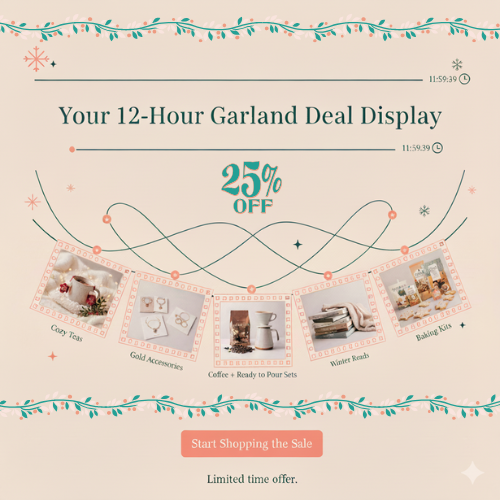
Ads: Tease all five options in a carousel to push people to the garland page rather than hard-selling a single product.
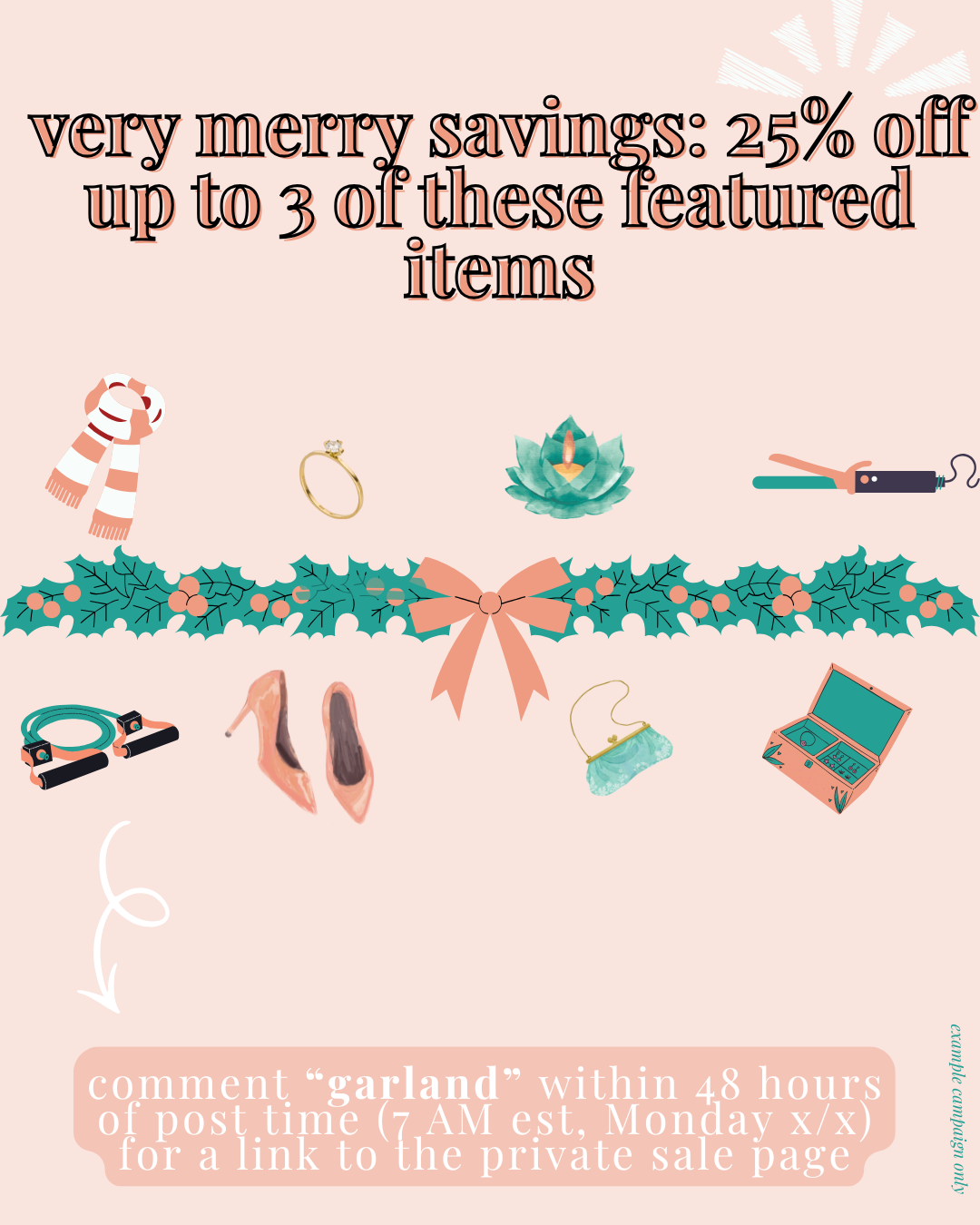
Social: Share a post with a graphic showcasing select products with the percentage off listed. Ask followers to comment with a word (such as “garland”) to be sent a link to a private sale landing page via DM. Set and uphold a strict time limit.
The Aim: Urgency stays clear but contained. They are choosing from a handful of polished ideas rather than drowning in a massive catalog.
2. Share-to-Earn Instant Credit
The Approach: Turn unboxing into your next campaign brief.
Email: Set up a post-purchase flow offering “15% back as instant store credit when you share a pic with your purchase.” Show three steps and a deadline. Don’t forget to add a limit per customer.
Ads: Next season, build your creative around this user-generated content (Though this has to align with your brand tone and style, first and foremost.)
The Aim: You build an asset library while giving shoppers a reason to return to you in one go.
3. “Get You to & Through the Next Year” Subscriptions
The Approach: Help your most overloaded buyers make one great decision instead of many small ones.
On Site: Create a limited 12-month plan for refills, memberships or software seats.
Email: Contrast the annual plan clearly against shorter options so the savings are obvious at a glance.
Ads: Lean into relief. The pull? “One decision now and your next twelve months are sorted” rather than “here is even more to buy this month.”
The Aim: Shoppers feel like they are making one smart choice, not accumulating more clutter.
4. A High-Conversion Gift Guide Quiz
The Approach: Gift guides are helpful. Gift quizzes are trackable.
On Site: A 6-8 question survey covering budget, taste and hard lines like “no tech.”
Email: Invite people to “skip the scroll” and let you do the narrowing.
Ads: Send cold traffic straight into the funnel. Visitors get a faster result. You get clean signals for retargeting.
The Aim: They decide more easily while you capture data for smarter recommendations later.
One caveat—this one requires extra effort to pull off. Make it genuinely helpful or skip it altogether.
5. Holiday Trade-Up Cart Rescue
The Approach: Sometimes the cart is fine. It just does not feel like a real gift…yet.
Email: Instead of a generic “you left this behind,” show their existing selection on the left and a “wow” bundle on the right.
Ads: Use a “still thinking?” angle combined with “uncover an elevated edit based on what you already picked.”
The Aim: You aren’t shaming the original choice; you’re offering a confidence-boosting upgrade.
6. Snowflake Deals with Micro-Window Codes
The Approach: Reward attention, not lurking.
Email: Single-use discount codes that activate upon “open” and “melt” (expire) after a short duration. Be honest about the time limit. Scarcity only works long-term when it’s real.
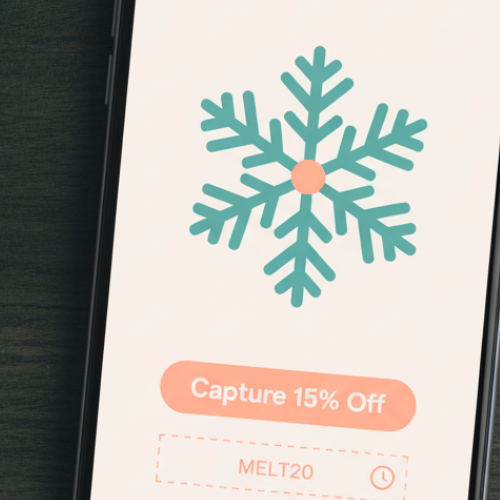
Ads: Use retargeting for high-intent viewers to remind them to make a move before the window closes.
The Aim: High-intent converts without broad list fatigue.
7. “Lights Off” Early Access
The Approach: Early access doesn’t have to be louder.
Email: Invite loyalty members to a “special shopping session” before the main rush. Consider using dark mode design, minimal text and deep links.
Ads: Keep creative light and focus on growing the right audience for future drops rather than overhyping one specific one.
The Aim: Chaos-dreaders finally shop your way.
8. Social Proof Ticker
The Approach: If you are going to brag about demand, do it with receipts.
On Site: A small line near featured items: “50 people bought this product/collection in the last 48 hours.”
(Or something else that addresses potential concerns.)
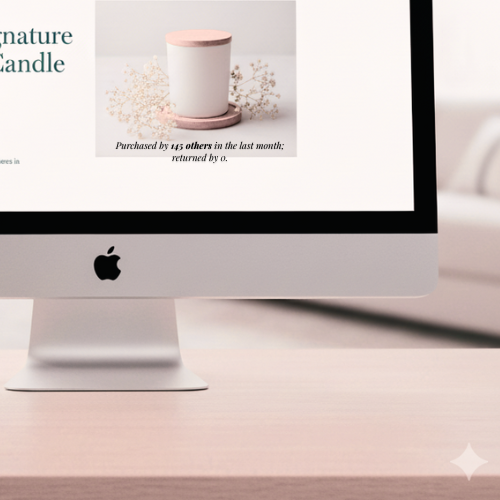
Ads: Use a daily “top three gifts” graphic in your retargeting layers to show what is actually moving.
The Aim: Real data calms jitters without leaning on fake countdown timers or invented low-stock drama.
9. Message Volume Quiet Hours
The Approach: In December, subtraction is often a competitive advantage.
Email: Choose periods where only behavior-based triggers send. No broadcasts.
Ads: Pause or shift spend into proven high-response blocks.
The Aim: Fewer people hit mute or unsubscribe because you built breathing room into the calendar on purpose.
10. “Remix My Cart” Bundles
The Approach: Some shoppers stall simply because something feels “off”.
Email: A follow-up note that proposes a cleaner configuration. Swap a duplicate, add a missing piece to complete a set or suggest a better fit.
Ads: Invite returning visitors to “let us remix your cart into a better package in one click.” Now you’re a stylist, not a nag.
The Aim: Almost-right carts convert to done deals.
11. “Across the Calendar” Celebration Selector
The Approach: Not everyone is shopping for the same traditions. So don’t assume they are.
Email / Social: Poll subscribers on what they are buying for (Winter gatherings? New Year? Just cozy season?). Be culturally aware.
Ads: Reuse the same core offer but swap the copy and visuals to match the segment. This can even be something like serving platters for hosts vs. face masks for homebodies.
The Aim: Messages land as personal, not generic.
12. “Year in Preview” Bundles
The Approach: Skip the clearance chaos.
On Site: Show 2-3 picks per season. Winter hygge kit, Spring wellness reset, Summer adventure pack. Push: “Enjoy the lowest price now while beating the next rush.”
Email: Stack value: extended seasonal savings plus free shipping through January, for example.
Social: Carousels swipe through seasons with “stock your year ahead” hooks.
Ads: Hit them with “Stop post-holiday budget blues in their tracks. Secure smarter buys for all of 2026 today.”
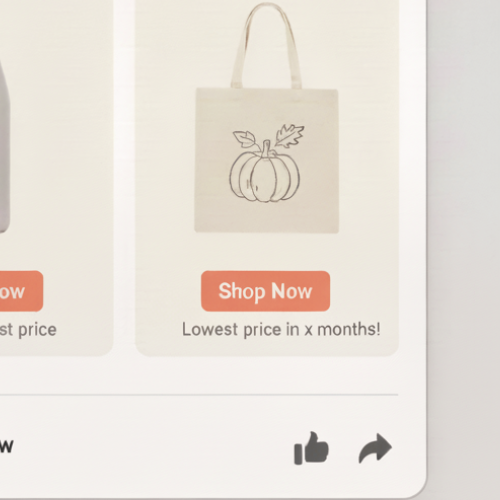
The Aim: Stressed shoppers grab future-proof deals without long-term commitment.
Note: If your product or services promise results in “just three months,” give carefully selected segments a look at where their progress will be if they buy and start now. Add a visual timeline, recent testimonials, etc.
Bonus Points
Be extra careful about timing. Sending the perfect message at the wrong moment is just another way to get ignored.
Crucially, remember that great marketing can’t fix a bad customer experience. If you are navigating delays or hiccups, be communicative.
On Site: Add a pop-up window on your site to warn buyers if you are experiencing supply chain issues.
Email: Give them the choice to stay looped in on their order via email if they tick this option—which you should offer, by the way!
Social: Share updates regularly; customers shouldn’t have to chase you down to find out what’s going on.
Up Next: Audit Your December
Holiday carts ≠ regular ones. Don’t let seasonal shopping habits inaccurately shape messaging for other parts of the year.
- Tag December behaviors: gift vs self, impulse vs planned.
- Set baselines now: Compare Jan opens/clicks against holiday spikes.
- Build better: Create year-round flows from real shifts, not assumptions.
Happy holiday campaign planning!
 bree steinbronn